Last Updated on 19th November 2026
After 13 years, Grand Theft Auto VI (GTA VI) releases in the UK on Thursday 19th November. Fans have been eagerly awaiting it since GTA V arrived in 2013, and it’s expected to be one of the biggest entertainment launches ever.
Intrigue, conversations and questions have probably already begun in homes, playgrounds and youth groups. It’s hard to escape the buzz, from social media and gaming feeds to online forums, podcasts, radio and streaming services. Children and young people will notice the hype whether or not they’re allowed to play. This article explains what parents, carers and professionals need to know about GTA VI, including the risks and practical advice on how you can respond.
The Facts
What Is GTA VI About?
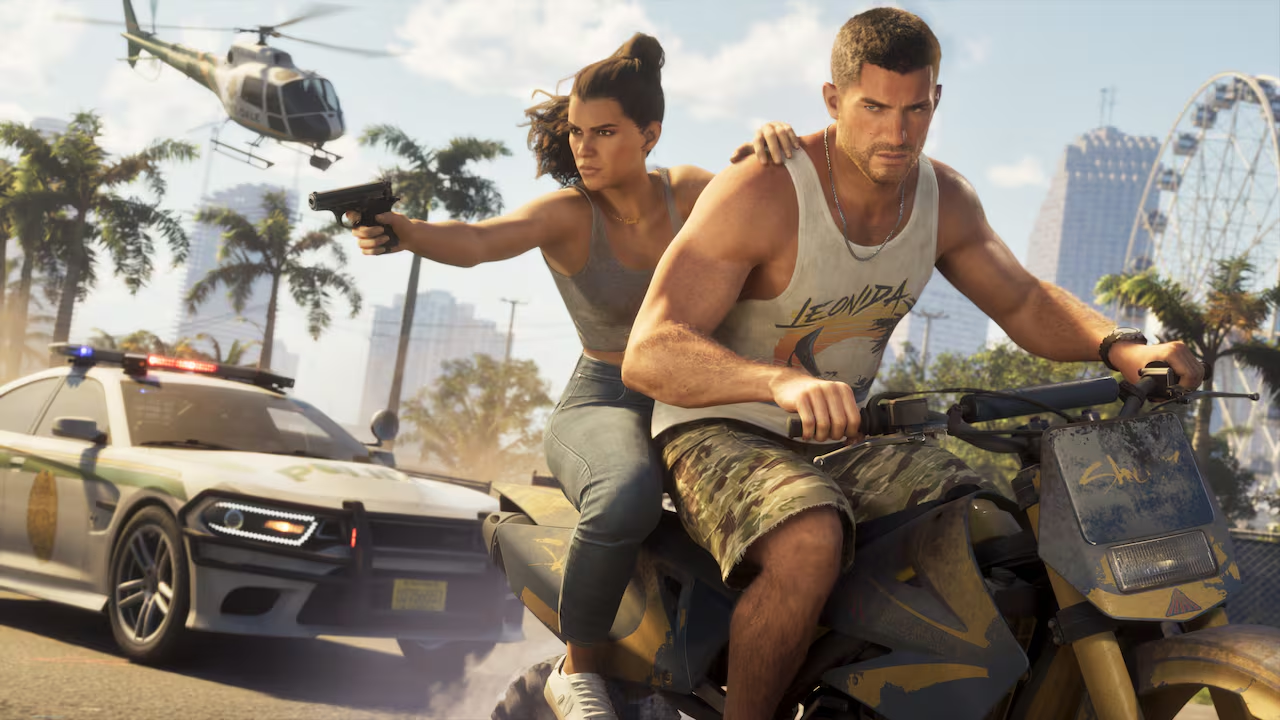
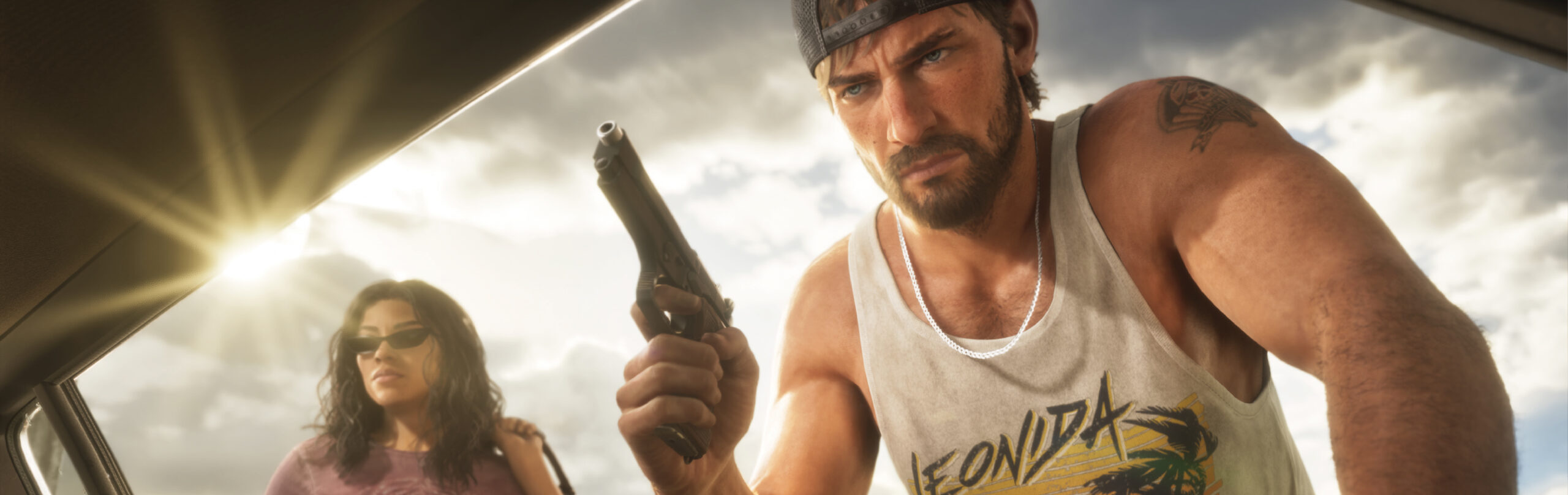
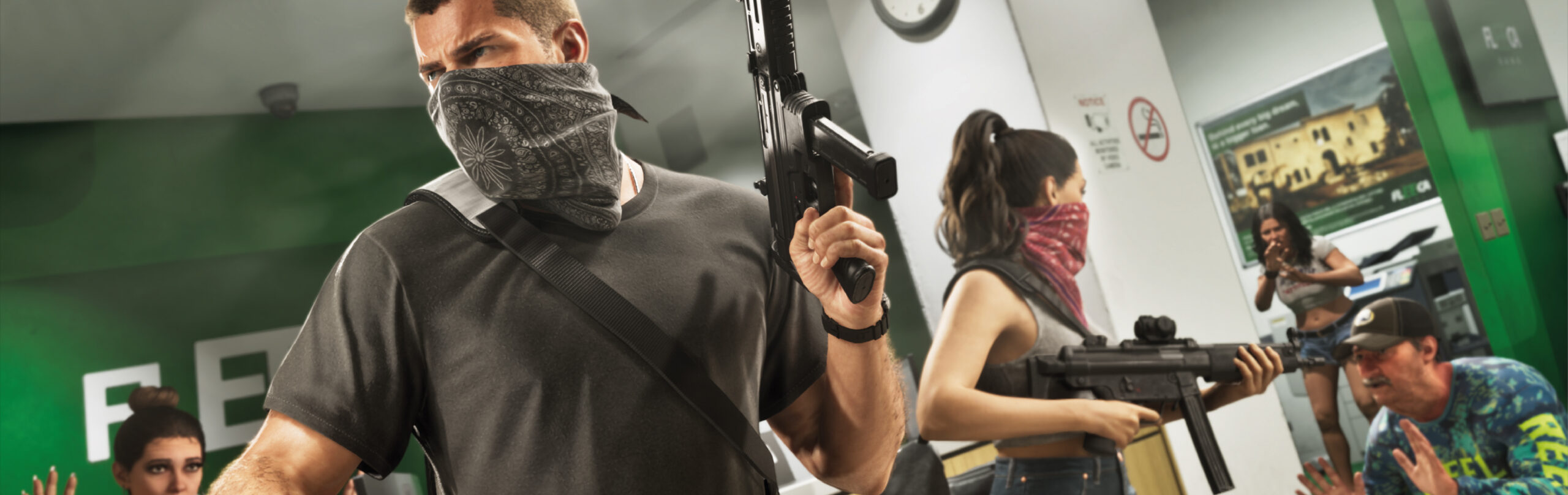
GTA VI is set in Leonida, a fictional version of Florida that includes a modern-day Vice City (Miami). Players control a criminal couple, Jason Duval and Lucia Caminos, in a Bonnie-and-Clyde style story that begins with a failed robbery. Lucia is the series’ first playable female lead in a GTA game.
The point of the game is to work through story missions built around robberies, heists, gunfights and police chases, while choices along the way shape how the story unfolds. Between missions, players roam a huge open world of five counties, with explorable nightclubs, malls and gun stores, and side activities from basketball and mini golf to fishing and the gym. This is the most lifelike GTA yet with unprecedented graphics for character movements, NPC (non-playable characters) interactions, action scenes and a more interactive map.

“GTA Flu”
The phrase “GTA flu” was coined in 2013 for the sick days taken around GTA V’s launch.
HR firm BrightHR found GTA was mentioned in about 4.6% of UK time-off / absence requests for launch day, with an estimated 83,000 days booked off across November and December.
Schools expect some pupils to have the same idea, staying up for the midnight release and then playing through the night, and possibly the following day. One Northern Ireland school, aware that the game’s release clashed with a GCSE maths exam, wrote to parents saying gaming “can wait until the weekend” and entered pupils who attend school on Thursday and Friday into a draw for a £70 PlayStation or Xbox gift card. Some schools in England wrote to parents to remind families of the game’s age rating and the importance of school attendance.

The PEGI Rating
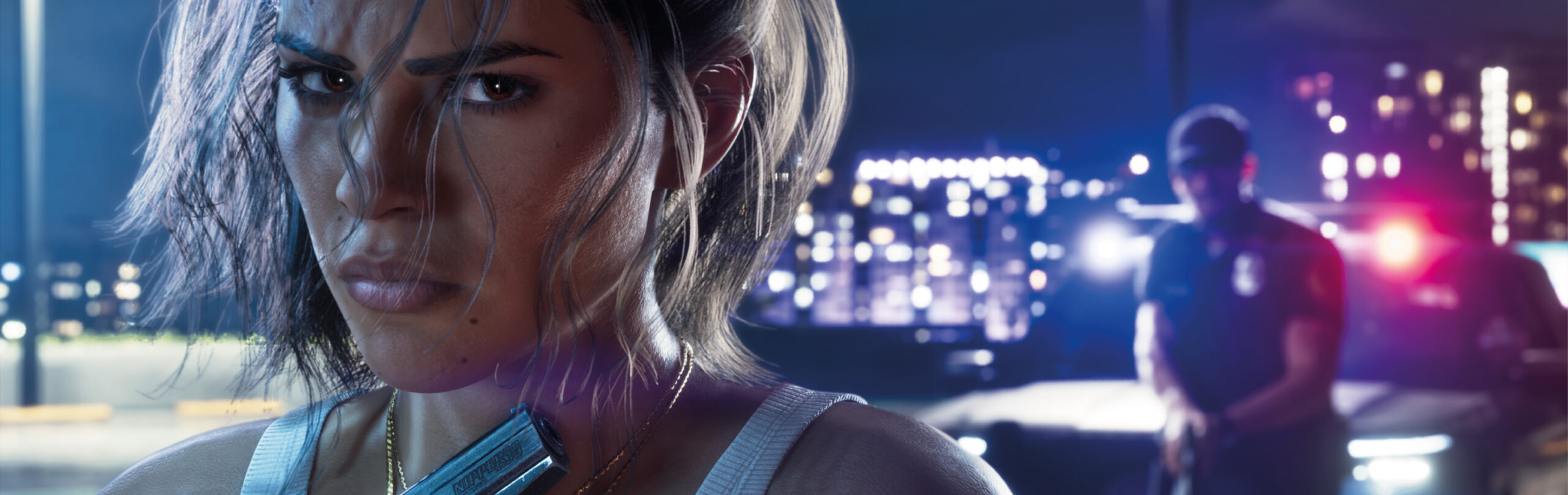
GTA VI is rated PEGI 18 (the highest rating) meaning it’s deemed suitable for adults only. Its label carries PEGI’s content warnings for violence, sex, drugs and in-game purchases.
In early October, PEGI briefly published a fuller description, then removed it. It reportedly said the 18 rating was given for strong graphic violence, strong sexual themes and illegal drug use.
In the UK, PEGI 18 is legally enforced at the point of sale, so shops can’t sell it to under-18s. Digital purchases, gifts and shared family accounts are ways under-18s can access and play the game.




Risks to Consider
GTA VI is rated PEGI 18 for a reason, and we don’t believe it’s suitable for anyone under 18, and especially not for children or teenagers under 16. Its graphic violence, sexual content and drug use are designed for adults, and younger gamers are less able to put them in context.
Behind its impressive graphics, the game displays lots of adult content, and the more realistic a game looks, the harder some children and young people may find it to separate from what is acceptable or accurate in real life. Likewise, the game presents some of these themes as “cool” so children and young people’s perceptions may be influenced.
Manosphere – an ecosystem of online influencers who promote a hyper-masculine, often anti-women view of success.
Exposure
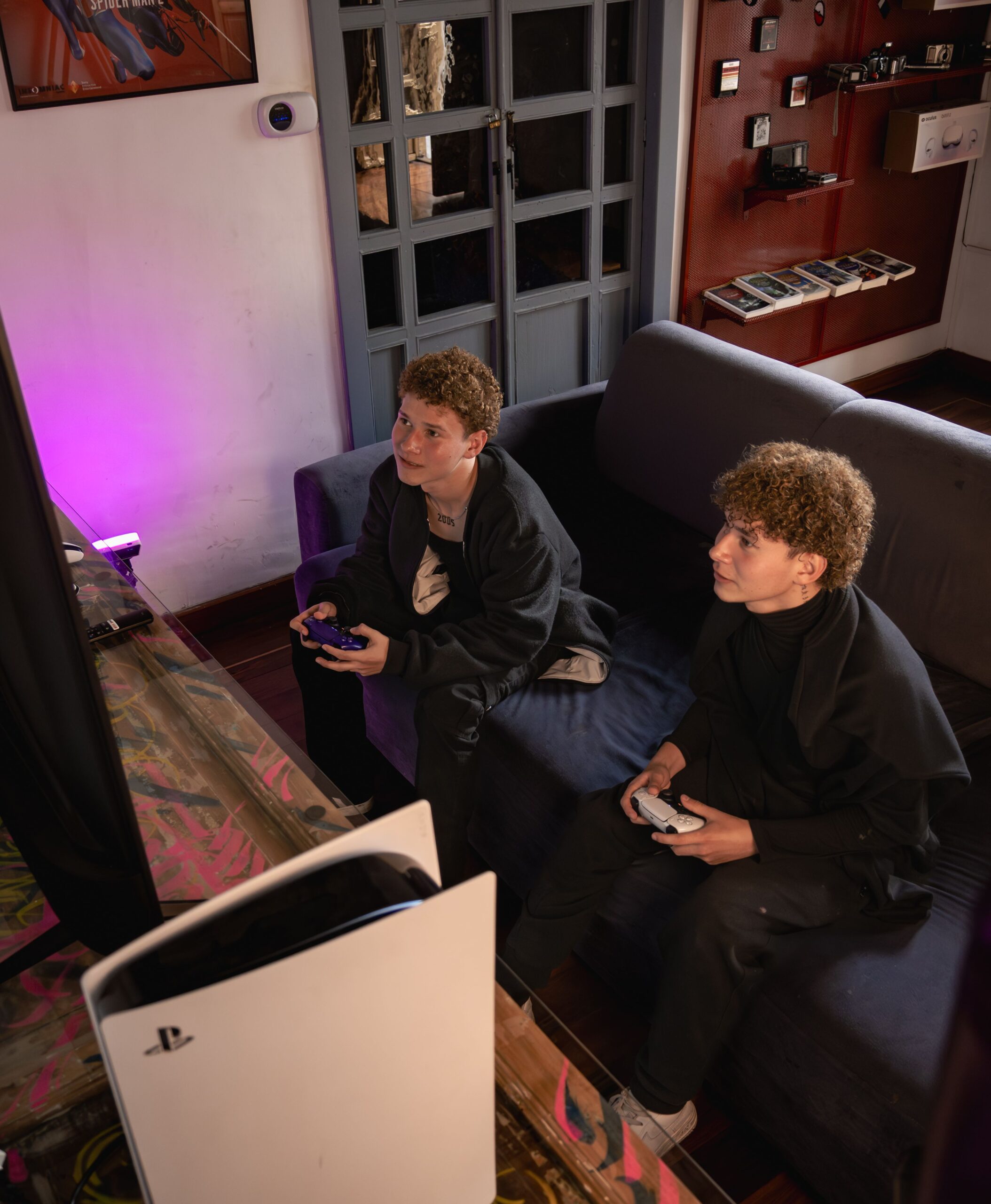
An 18 rating does not keep the game away from under-18s. In a 2023 YouGov survey of adults in Great Britain, 71% of people who had played GTA first played it as children. Children may be exposed to the game through:
Practical Steps
Look beyond the age rating. GTA VI’s PEGI rating makes it clear that the game is for adults. Consider what your child or young person could encounter if they play it, watch someone else play it or view related content online.
Ask yourself: How do they cope with graphic violence and sexual content? Could anything in the game connect with their own experiences or beliefs? Are they likely to feel peer pressure from friends to check out the game? Do they have accurate expectations of what the game actually consists of?
Here are some conversation starters you can try if the children or young people in your care are interested in the game:
Conversation Starters
- “What are people at school saying about GTA VI?”
- “Have you seen any clips? Did anything surprise or bother you?”
- “Why do you think it's rated 18?”
- "What do you think people like about these games?”
- “How are women treated in the game? Is that how it is in real life?”
- “If a friend wanted to play it at theirs, what would you do?”
Make sure they know they won’t be in trouble for telling you about something worrying or for asking questions.
Some children and young people with additional needs, such as SEN / SEND / ASN / ASL, may need extra support. They may take what they see literally, find it harder to separate game content from real life, copy what they have seen or become very distressed if the answer is no. Use clear, simple language, explain boundaries calmly and in advance, and talk to their school or support team if you are worried.
Set Up Controls

Signs to Look Out For
Whatever your decision, keep an eye out for tiredness after late nights, mood changes, or being unusually secretive about screens. Also notice violent play, sexualised or demeaning language (particularly about women and girls), repeating lines or scenes from the game, and nightmares or distress after seeing clips. If you notice any of these, stay calm, ask open questions and listen before you respond.
For Professionals
Expect tired pupils after release day, playground talk and clips shared on phones. Watch for violent play, sexualised or misogynistic language or changes in behaviour, particularly among younger or more vulnerable children. If it becomes a big topic of conversation or contention among pupils, use it as a learning opportunity to talk about age ratings, misogyny and gaming.
If you have a concern about a child or young person’s wellbeing, follow your safeguarding procedures and speak to your safeguarding lead.
Visit our Teach Hub for teaching materials, including PowerPoint slides and posters.
Need support? Children and young people can speak to Childline, and parents and carers can get free advice from the NSPCC and Internet Matters. If a child is at immediate risk, contact the police on 999.
Final Thought
Whether GTA VI is on your children’s or young people’s wish list this Christmas or not, if they’re interested in gaming, it’s very likely that they will have heard the hype or seen related content on their social media feeds. We don’t believe GTA VI is suitable for anyone under 18, and especially not for children or teenagers under 16. For those aged 16 and 17, we recognise there may be room for parental judgement, but that decision is best made together, with clear boundaries and the right controls in place. Remember, you know them best, so you’re best placed to decide what’s right for them.
Digital Proficiency Course
The Digital Proficiency Course is available for staff, pupils and parents/carers and covers misinformation, AI-generated material and other foundational principles for staying safer online. Find it in the Safer Schools app today and complete with your whole school community or within your family.