Last Updated on 13th May 2026
Image © MOB ENTERTAINMENT, INC.
Reading Time: 8.2 mins
May 11, 2026
A horror game franchise, officially rated PEGI 16, is reaching children as young as primary school through social media, other gaming platforms and even toys. Most adults remain unaware of what the game actually contains or its dangers. Here’s all that educators, safeguarding professionals, parents and carers need to know about Poppy Playtime.

What is it?
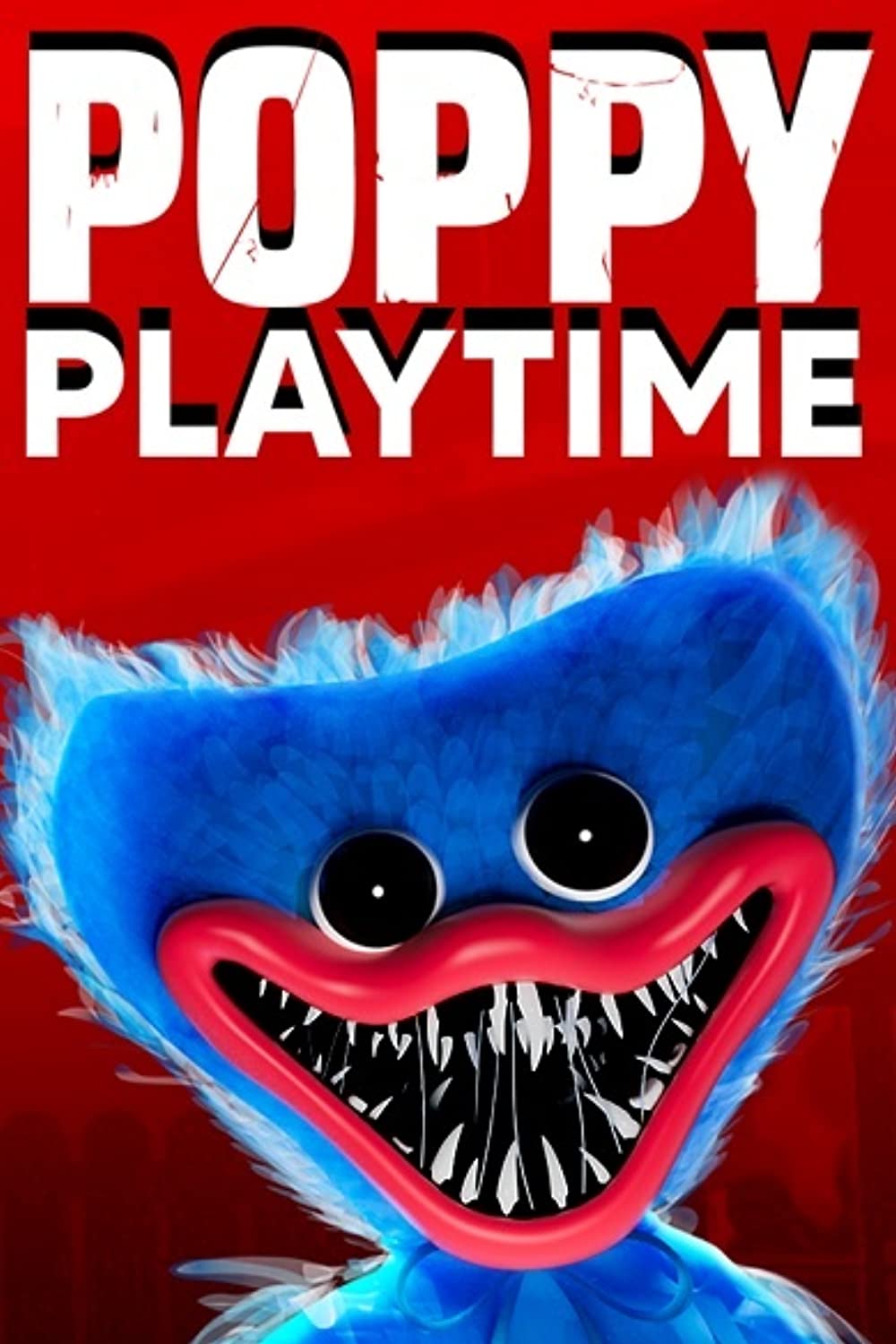
Poppy Playtime is a horror survival video game played in first person as the player explores an abandoned toy factory, fleeing monstrous former toy characters with no means of defence. The best known is Huggy Wuggy, a tall blue creature with an enormous grin and very long arms. More recently the franchise introduced the Smiling Critters, colourful animal characters including CatNap and DogDay, who have become equally or more recognisable to many younger children.
For professionals familiar with Five Nights at Freddy’s, the dynamic is similar: horror characters built for an adult audience that have become icons for children in primary school.
What began in 2021 as a single-chapter, PC-only game has now expanded to five chapters available on PlayStation, Xbox, Nintendo Switch, iOS and Android. The more recent chapters have surpassed simple jump scares as more disturbing content is unlocked as players progress in the game.
How might children and young people encounter it?
The CEO of Mob Entertainment, Poppy Playtime’s developer, publicly acknowledged in early 2026 that the player base includes preschool-aged children alongside adults. However, even if parents and carers refuse to buy the game for children and young people, there are other ways for their interests to be piqued or for them to be exposed to the game’s lore and characters, including the more disturbing chapters.

Image of CatNap from Poppy Playtime: Image © MOB ENTERTAINMENT, INC.
Safeguarding risks
The central concern is a significant mismatch between the franchise’s child-friendly surface and the content of its later chapters. When we last reviewed Poppy Playtime, Chapter 1 relied primarily on jump scares – startling but brief. Chapters 2 to 5 go much further. Content includes:
The IMDb Parents Guide currently rates violence at 7 out of 10. This content is not intended for a young audience, and children can become frightened and disturbed by what they encounter in the game or within the fanbase – distressing images or storylines they may find difficult to process or forget.
Potential grooming risk
Although Poppy Playtime doesn’t contain an in-game chat, the fan communities around it create real contact risks across other platforms, especially because the game also appeals to older players. Someone with harmful intentions could use this shared knowledge of the franchise to quickly establish false trust and expose a child to harm or even escalate their conversations to grooming or extortion.
If you spot any red flags for grooming such as anxiety after time spent online, unexplained gifts or secrecy about online contacts – have a calm, open conversation with the child. Follow your safeguarding procedures without delay if you are concerned and call 999 if a child is in immediate danger.
Signs to look out for
A child does not always tell an adult when something online has upset them. Possible indicators that a child has been impacted by Poppy Playtime may include:
Please note that these signs could be for a number of reasons and do not necessarily indicate that a child has been affected by Poppy Playtime.
Platform safety at a glance
Starting the conversation
Children are drawn to this franchise for a mix of reasons – curiosity, the appeal of accessing something beyond their age, or because it’s what their friends or online communities are talking about. Understanding the appeal helps you approach the conversation well.
Stay curious, not reactive. There is no need to introduce Poppy Playtime unprompted, broader questions about what your child is watching or playing achieve the same goal.
Open questions to try
Be the trusted adult
Every child should be able to name at least one trusted adult they can go to if something online worries them. The message is simple: “You can tell me anything. You will not be in trouble. I will always want to help.”
Children who feel they cannot speak to someone they know can contact Childline any time on 0800 1111 or at childline.org.uk.

Practical steps
Reporting and support





Final thought
Whatever you decide about Poppy Playtime, whether to allow the game, the toys, the books, or none of these, what matters most is that the child in your care knows they can always come to you. A calm, open conversation will almost always do more than an unexplained ban and keeping that door open matters more than any single rule.

Produced by INEQE Safeguarding Group, incorporating Safer Schools. For more resources visit ineqe.com or oursafetycentre.co.uk
Join our Safeguarding Hub Newsletter Network
Members of our network receive weekly updates on the trends, risks and threats to children and young people online.