Last Updated on 25th August 2026
Reading Time: 3.9 mins
Published: October 25, 2026
You or the children and young people in your care may have seen unsettling content featuring the Cat in the Hat character circulating on TikTok and Instagram. The character has been shown in AI-generated clips “terrorising” the streets of the UK and Ireland, threatening to visit people’s homes, or appearing on doorbell cameras and through windows. Some videos show the character dancing alongside a list of names or cities said to be visited next, while other posts spread false claims of violence, including stabbings, chases or “meet-and-greets” in the forest. The majority of the content surrounding this trend is AI-generated, but it has been viewed by millions and has prompted several police forces to issue public statements confirming the reports are fake.

What you need to know
It isn’t real
The images and videos are AI-generated, or sometimes so blurry that it’s difficult to tell if anything is being shown at all. Although the content may look convincing and reference real locations, the character has often been superimposed onto the footage. Some posts have gone as far as creating fake news stories or police reports to add false credibility.
Talk to your young people about it
If someone in your care has seen this content, use it as an opportunity to discuss fake news, misinformation, and AI-generated media and discuss what the signs of these might be. Discuss that even highly convincing content online can be false, and that it’s often created to spread rumours or provoke fear. Reassure them that they can always come to you to work out together whether something is real or if something makes them feel uneasy.
If a child hasn’t come across the content, there’s no need to introduce it to them or name the trend explicitly as this can just encourage further engagement.
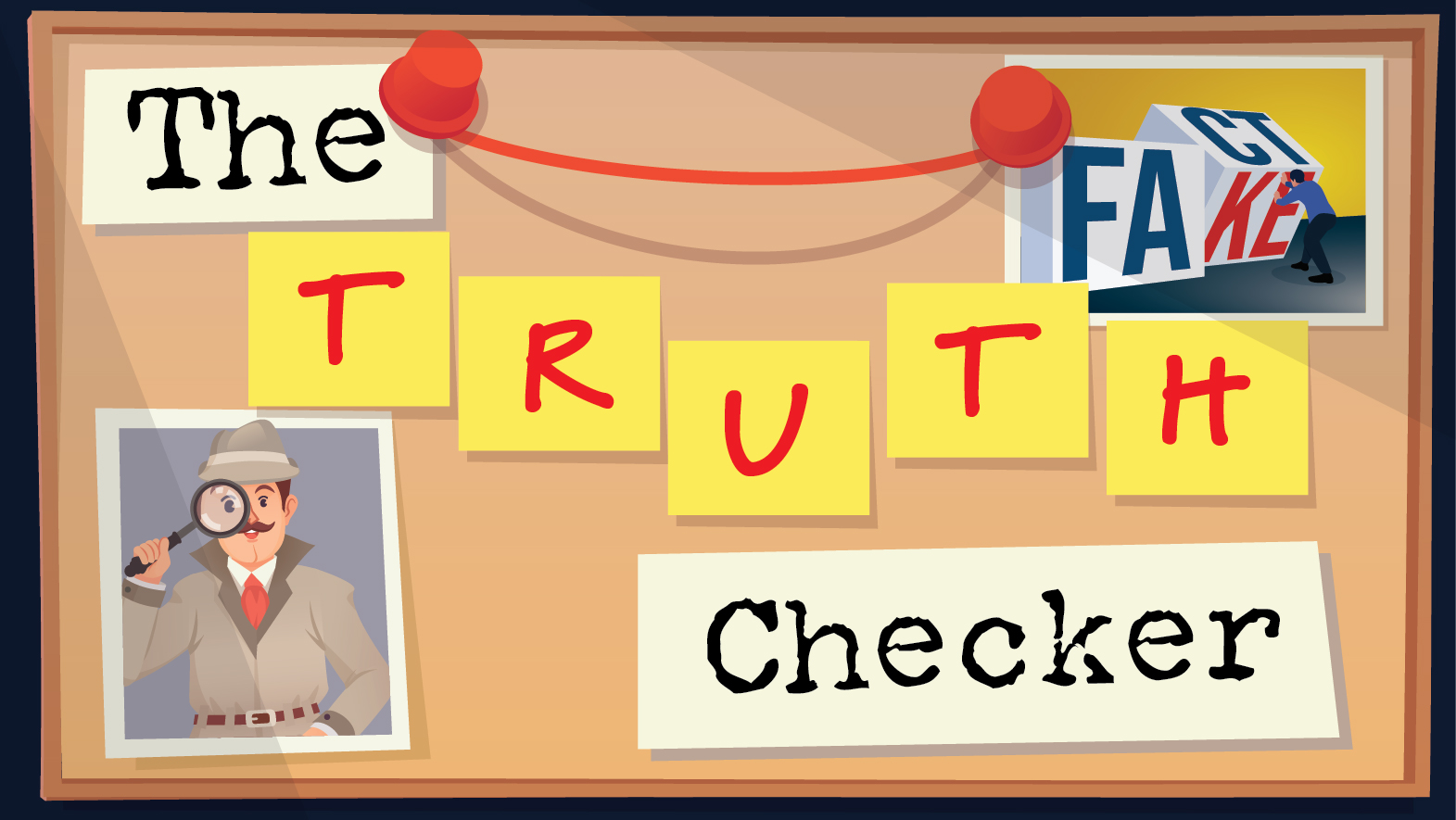
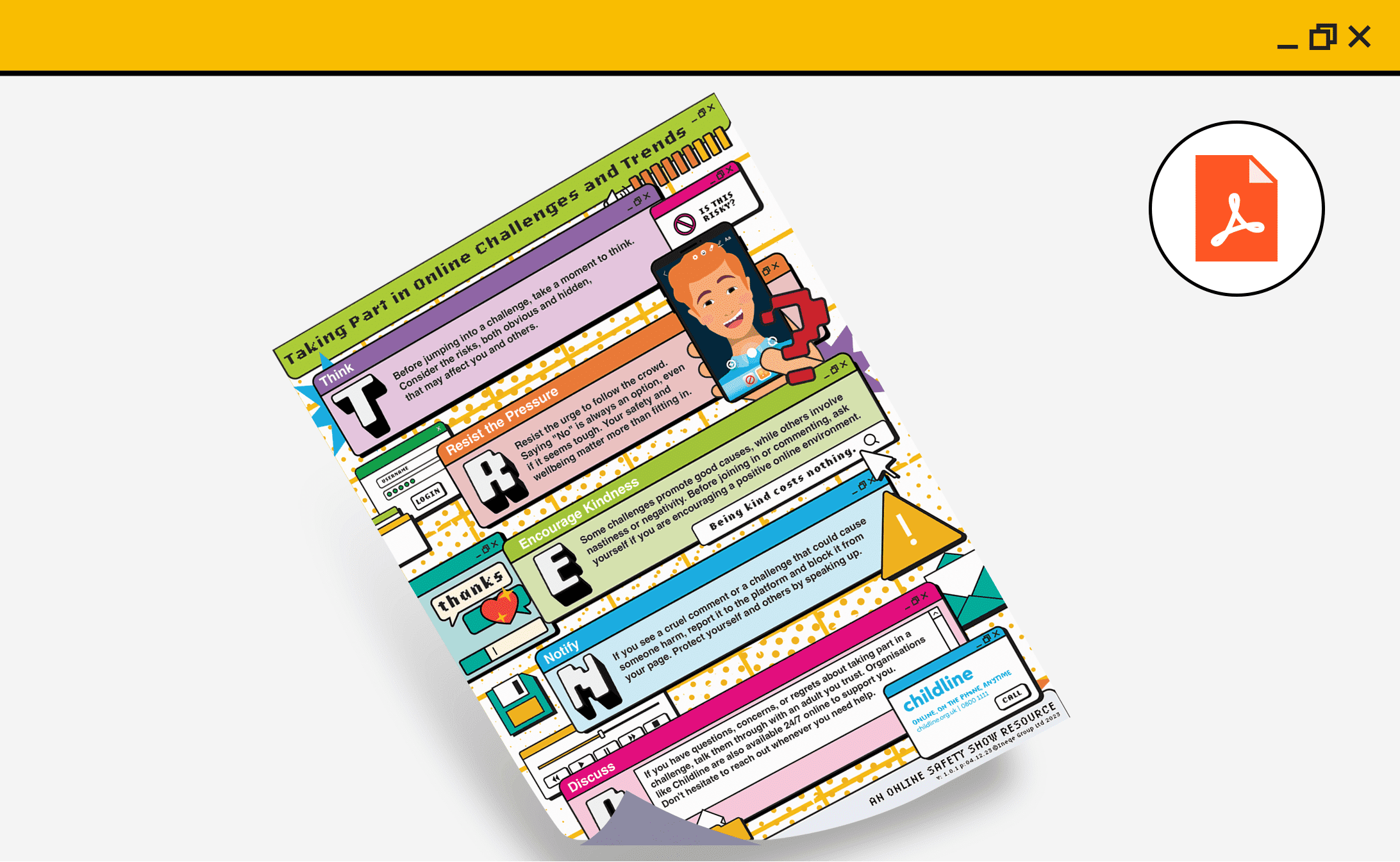
For teachers and professionals, our T-R-U-T-H Checker shareable on the Teach Hub is a resource on spotting fake news. Feel free to share this with pupils and pass it on to parents and carers too.
Check in
Some children and young people may find the content funny, but for others it can be genuinely frightening. Look out for behavioural changes such as trouble sleeping, difficulty concentrating, or reluctance to go outside, and open a gentle conversation using questions like:
Encourage safe reporting habits
Remind young people they can block and report anything on their feed that unsettles them, and that it’s best not to engage with or share this kind of content further. Discuss with them how the algorithm repeatedly pushes content that they’ve engaged with to their feed and remind them to use the “not interested” feature to ensure unwanted content is not being shown to them.
Protect personal information online
Through the trend, a real risk has emerged: some children and young people are commenting under posts to name their own towns, cities or schools as the next target. Remind them never to share their location or their friends’ locations online, especially in public comment sections. Risks arise as strangers with harmful intentions can piece together small details to convincingly pose as someone local.
Exposure beyond these videos
Content of this kind spreads quickly and is often used as a hook to build an audience, meaning some of the accounts promoting it are not primarily interested in the trend itself but in the traffic it generates. If a young person follows one of these accounts and engages with their content, they may then be exposed to everything else that account posts, which in some cases includes sexualised or other age-inappropriate material. Profile links can also direct them to other platforms where there is little or no moderation or age verification. Make sure to chat with your children and young people about what they are viewing online and encourage reporting habits.
Useful Resources
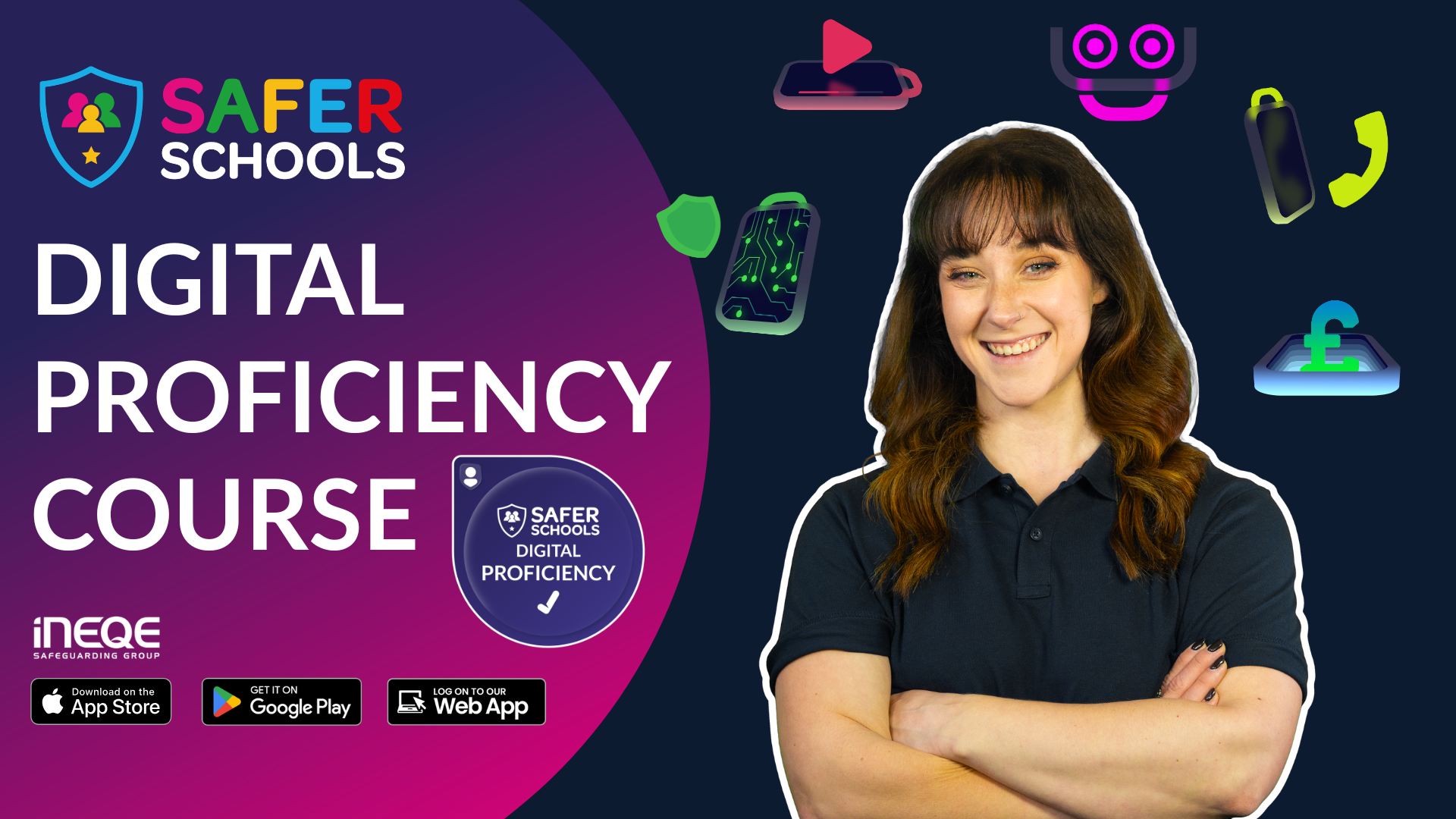
Digital Proficiency Course
The Digital Proficiency Course is available for staff, pupils and parents/carers and covers misinformation, AI-generated material and other foundational principles for staying safer online. Find it in the Safer Schools app today and complete with your whole school community or within your family.
Ineqe Safeguarding Group | ineqe.com | Safer Schools | saferschoolsni.co.uk and oursaferschools.co.uk
Join our Safeguarding Hub Newsletter Network
Members of our network receive weekly updates on the trends, risks and threats to children and young people online.