Last Updated on 26th March 2026
Reading Time: 6 mins
March 26, 2026
In the evolving landscape of online safety, a new term, Com Network (short for Community Network), has arisen. These groups are seemingly innocent but can cause immense harm both online and offline, including physical, sexual and financial crimes.
The National Crime Agency (NCA) has issued a high-level warning regarding these sadistic online communities as reports in the UK surged six-fold between 2022 and 2024. According to NCA analysts, thousands of individuals across the UK and the West have swapped millions of messages relating to physical and sexual abuse.

What are Com Networks?
Think of Com Networks (or Com Groups or ‘The Com’) as exclusive digital clubs operating in the shadows of mainstream platforms. Primarily composed of teenage boys, these groups often move from mainstream social media or online public forums to private group chats on platforms like Discord, Telegram or Instagram. While they may initially appear to centre on hobbies like gaming, coding, or music, the focus quickly shifts toward a high-pressure hierarchy where social status is gained through digital power or the possession of rare online assets.
A young person may join to share digital art, only to find their acceptance is conditional on their ability to participate in extreme challenges or acquire dangerous images. This environment transforms into a platform where members collaborate or compete to incite self-harm, sexual abuse, and suicide, particularly among young girls, driven by the singular motivation to elevate their standing within the group.
The Process
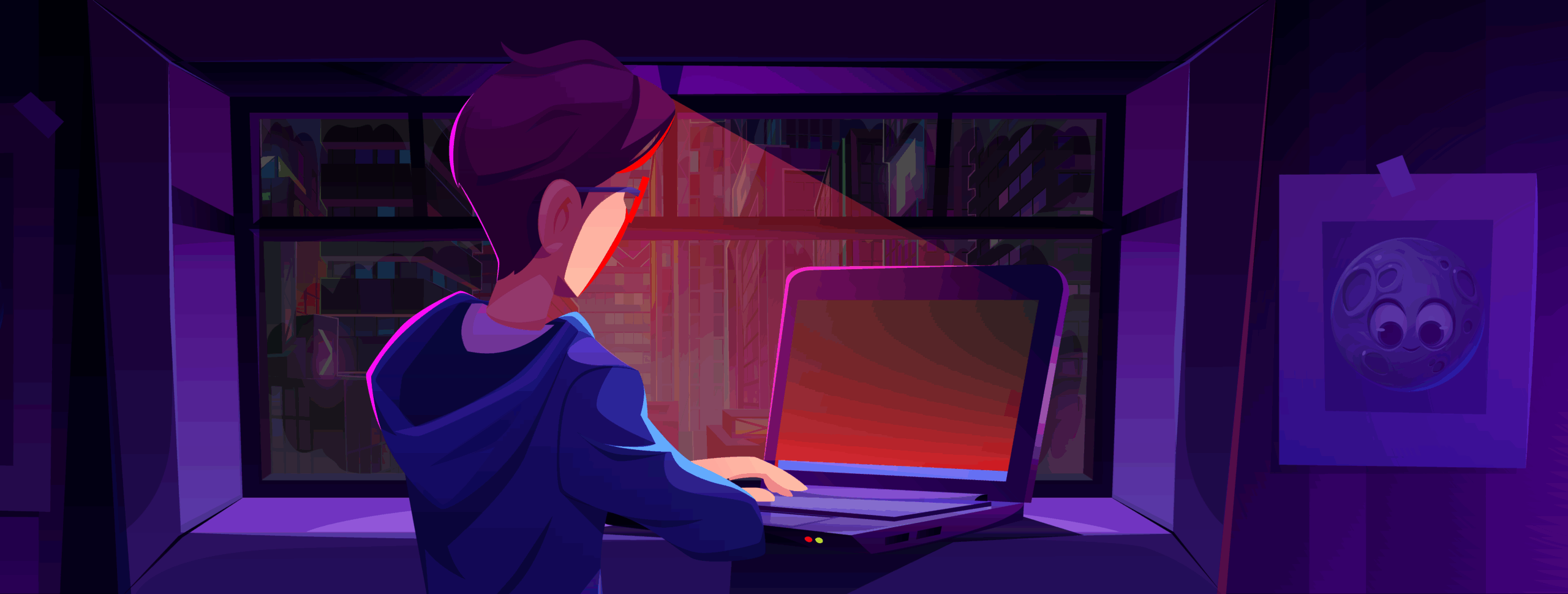
Offenders actively seek out vulnerable individuals, including those using online forums for mental health, body image disorders, neurodiversity, support for self-harm, suicidal thoughts, or recovery from abuse. Targeting may also be driven by misogyny, racism, religious bias or other biases and ideologies.
A young person may begin in the outer circles of a community, engaging in harmless chat. Over time, as they seek deeper connections, they are vetted by established members and invited into private, unmoderated spaces.
Because this transition is slow, behavioural changes are difficult to spot initially. An increased interest in a hobby can morph into an obsession with digital status. By the time harmful elements are revealed, the young person is often emotionally invested in the group, making it harder to step away even when they feel uncomfortable.
Harmful and Illegal Content
Sadistic or misogynistic challenges or dares are designed to humiliate others or prove loyalty. This can include:
Why Context Matters
For some, the network provides a platform to exert power and gain infamy. For others seeking belonging, they can become victims of extreme coercion and sextortion. A young person who is vulnerable or isolated offline may be more susceptible to these groups and tactics, seeking validation and community. It’s important to recognise that a young person can simultaneously be an insider and a victim of internal pressures in these groups.
Young people typically discover these communities through peer recommendations in gaming lobbies or algorithm suggestions based on niche interests, including glitch art, underground music or technical modding.
Recognising Risks and Red Flags
Encouraging Young People to Speak Out
The most significant barrier to a young person coming forward is the fear of digital exile and the worry that their devices will be confiscated. In Com Networks, where digital status is tied to identity, this threat feels like a total loss of connection.
In conversations, maintain a supportive and non-judgmental tone and if a young person mentions a new group, ask about it with genuine curiosity. Should they encounter trouble, react calmly and reassure them that their safety is the priority. We must resolve issues without simply unplugging their social life. By treating their online world with respect, we empower them to seek help when a digital space starts to feel high-pressure, secretive, or crosses their personal boundaries.
What can I do?
Prepare and Engage in Conversations
Research common terms beforehand but let the young person lead the explanation of their specific community. Discuss during everyday activities such as driving or cooking, to reduce the intensity of the talk.
Open Questioning
Supporting a Safe Exit
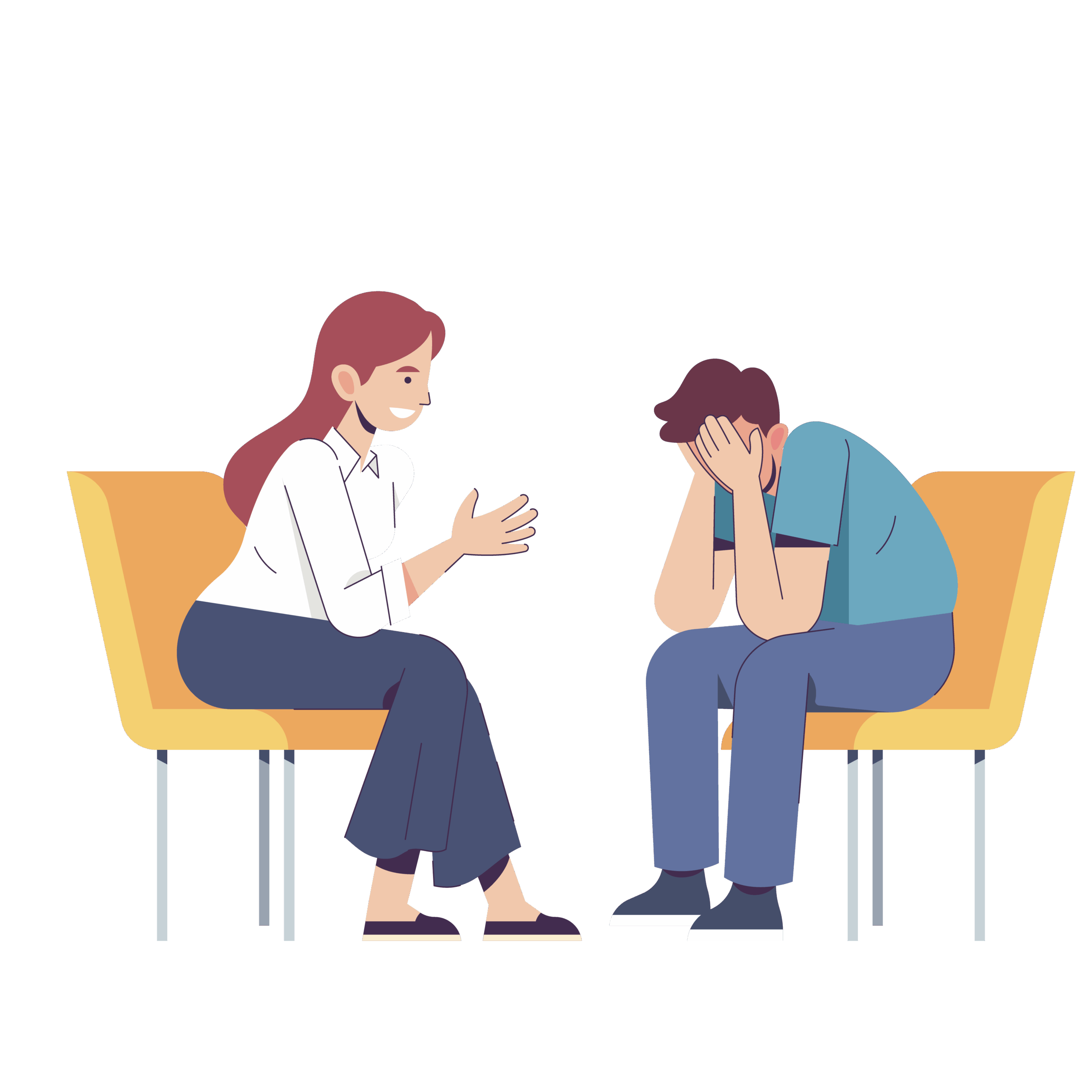
If a young person is involved in a dangerous network, they need a supported and managed way to leave to avoid escalating harassment. Crucially, this process should be planned alongside a trusted professional—such as a teacher, safeguarding lead, or police officer—to provide a protective buffer.
Official UK police advice emphasises preserving evidence before taking action:
Useful Resources and Support




Join our Safeguarding Hub Newsletter Network
Members of our network receive weekly updates on the trends, risks and threats to children and young people online.